HMB Supplements Explained: Uses, Evidence, Forms, and Safety Discover what HMB is, how this leucine metabolite may affect muscle recovery and breakdown, what research shows, and what to consider before using a supplement.
Should You Take Vitamins in the Morning or at Night? Morning or night is usually less important than the vitamin, meal timing, product directions, and a routine you can follow. See how vitamin D and multivitamins fit in.
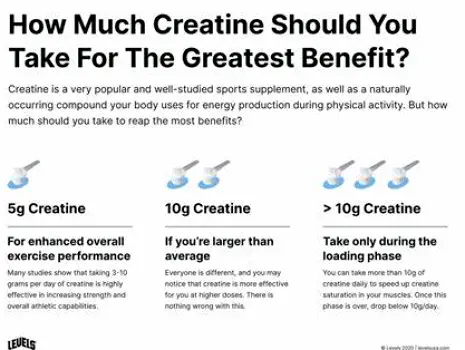
When Is the Best Time for Women to Take Creatine? Creatine timing for women is simpler than it sounds: see what research says about morning versus evening, workout days, rest days, consistency, dosing, and safety.
Which Supplements May Support Blood Flow—and What Does the Evidence Show? An evidence-based guide to supplements marketed for blood flow, including where research is promising, where claims overreach, and key safety considerations.
Which Vitamins and Minerals May Help Restless Legs Syndrome? See which vitamins and minerals have evidence for restless legs syndrome, why iron testing comes first, and where supplement claims remain uncertain.
Sea Moss Explained: Uses, Evidence, Benefits, and Risks Sea moss is a red seaweed sold as food, gel, and supplements. Examine its uses, proposed benefits, limited evidence, iodine concerns, and product-quality risks.
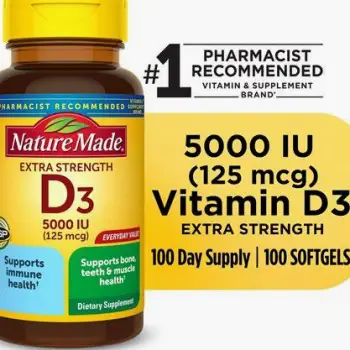
Is Taking 5,000 IU of Vitamin D3 Every Day Safe? Is 5,000 IU of vitamin D3 safe every day? See how this dose compares with US intake limits, when higher doses may be prescribed, and the signs of excess.
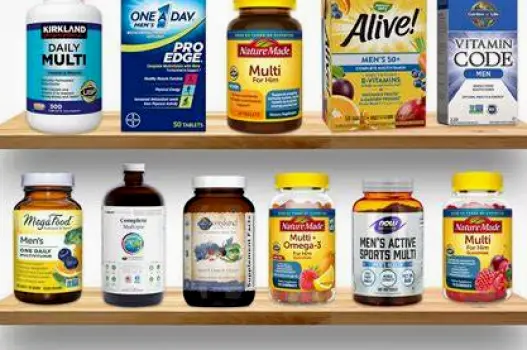
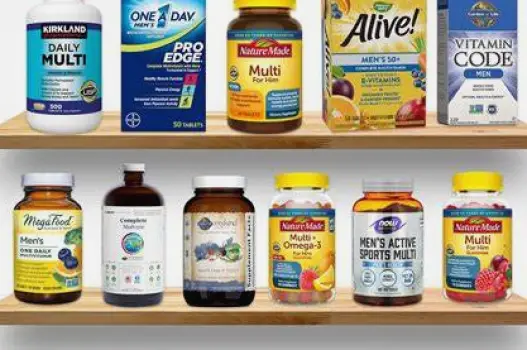
Best Supplements for Men: An Evidence-Based Guide by Goal and Need An evidence-based guide to supplements for men, organized by nutritional needs, fitness goals, life stage, safety, and product quality—not marketing hype.
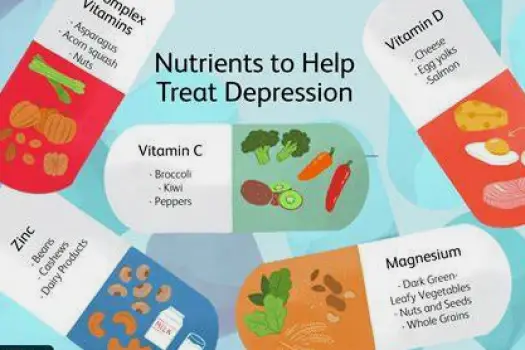
Can Vitamins Help With Fatigue and Low Mood? An Evidence-Based Guide Which nutrients matter when fatigue and low mood overlap—and when supplements may not help. Compare evidence, deficiency clues, testing, safety, and next steps.
Can Magnesium Cause Weight Gain? What the Evidence Shows Magnesium supplements are not shown to cause fat or overall weight gain. Explore what research says, why the scale may fluctuate, and how to supplement safely.
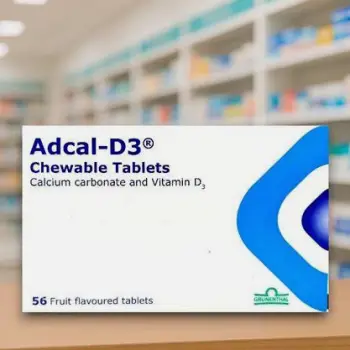
How Long Can You Take Adcal-D3, and When Should It Be Reviewed? Adcal-D3 may be used long term, but duration depends on why it was recommended. Understand reviews, monitoring, safe use and when to seek advice.
Can You Take Vitamins at Night? A Practical Timing Guide Taking vitamins at night can be reasonable, but food, formulation, medication interactions, side effects, and product directions may matter more than the clock.
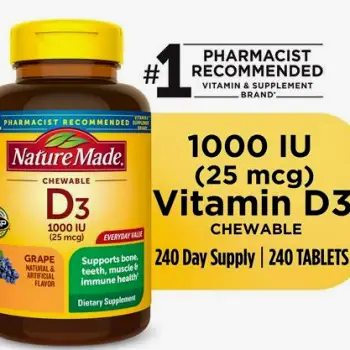
Vitamin D3 1000 IU: Uses, Daily Intake, and Safety Understand what vitamin D3 1000 IU means, how it compares with daily intake benchmarks, its potential uses, safety limits, interactions, and label considerations.
Which Vitamins Should You Take? A Needs-Based Guide A practical guide to choosing vitamins by diet, life stage, deficiency risk, and health needs—plus when supplements may be unnecessary or unsafe.
Which Vitamin Helps With Energy—and When Does It Actually Work? No single vitamin boosts energy for everyone. Compare B12, vitamin D, iron, and magnesium, understand when deficiencies matter, and use supplements safely.
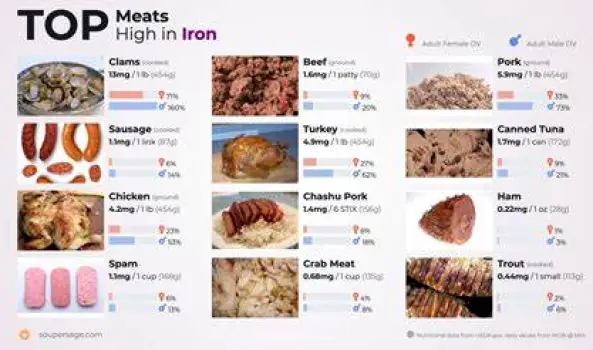
How Much Iron Is in Chicken? Chicken contains iron, but the amount varies by cut and serving. See how it compares with other foods and how it can fit into an iron-supportive meal.
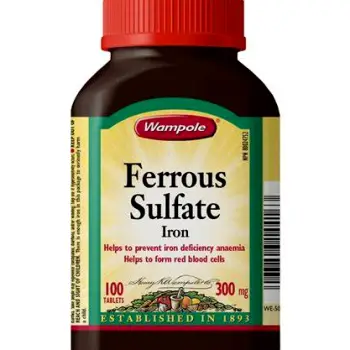
Ferrous Sulfate Explained: Uses, Forms, Safety and Practical Considerations Ferrous sulfate is an oral iron medicine used for iron deficiency anaemia. Understand what it does, product labels, safe use, side effects and interactions.
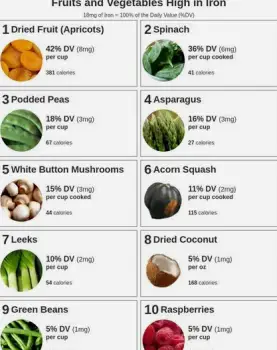
Iron-Rich Vegetables: The Best Choices and How to Absorb More Compare iron-rich vegetables by realistic serving, see how cooking changes the numbers, and find simple food pairings that improve plant-iron absorption.
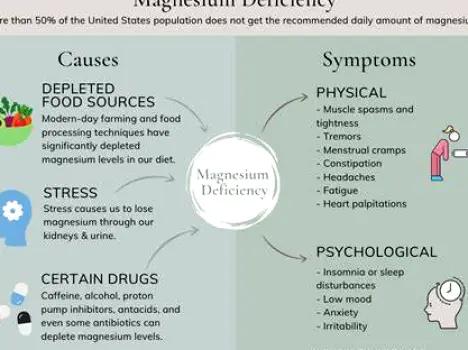
Low Magnesium: Common Causes, Risk Factors, and What to Do Next Low magnesium can result from poor absorption, digestive or kidney losses, certain medicines, diabetes, alcohol dependence, or inadequate intake. See how doctors identify the cause.
Magnesium Oxide Side Effects: Common Reactions and Warning Signs A practical safety guide to magnesium oxide side effects, including expected digestive symptoms, warning signs, risk factors, medicine timing, and when to seek medical help.
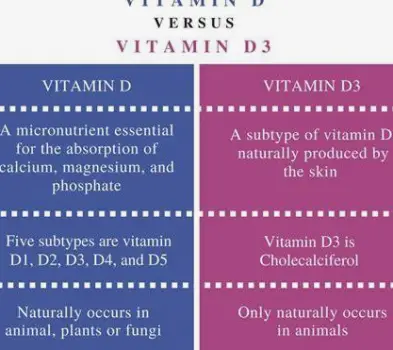
Vitamin D vs. Vitamin D3: Are They the Same? A clear comparison of vitamin D, vitamin D2, and vitamin D3 that explains the naming, sources, effectiveness, supplement-label implications, and safety considerations without turning a simple distinction into a broad deficiency guide.
Does Vitamin E Help Scars? What the Clinical Evidence Shows Does vitamin E oil improve scars? Review the limited clinical evidence, possible skin reactions, why product claims can mislead, and when to seek professional scar care.
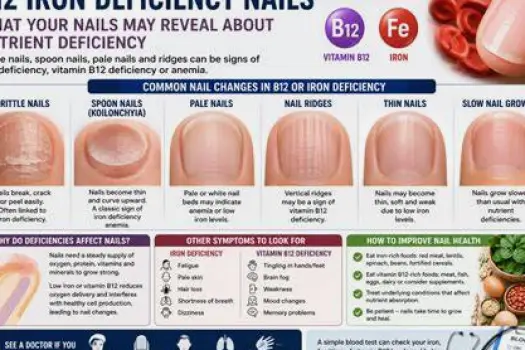
B12 vs Iron Deficiency Nails: How the Changes May Differ Compare nail changes linked with vitamin B12 and iron deficiency, understand why appearance alone cannot diagnose either condition, and know when proper medical evaluation matters.
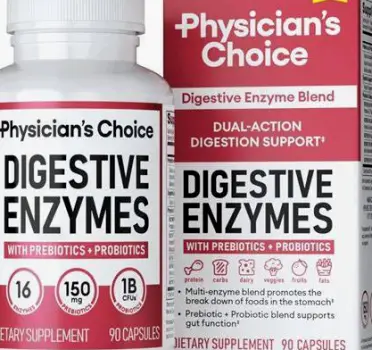
How to Choose the Best Digestive Enzyme Supplement for Your Needs A practical, evidence-aware guide to choosing digestive enzyme supplements by the food component or diagnosed deficiency they are intended to address, while distinguishing over-the-counter blends from prescription pancreatic enzyme therapy and identifying claims that should not drive a purchase.
Can Iron Supplements Cause Constipation, and What Can You Do About It? Iron supplements can cause constipation. Find out what is known about this side effect, which self-care measures may help, and when symptoms need medical advice.
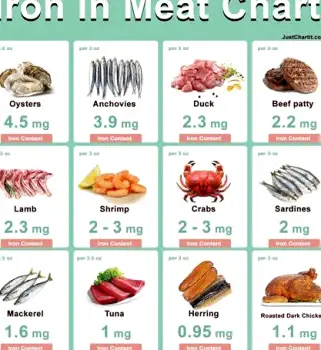
Is Shrimp a Good Source of Iron? Does shrimp contain iron, and how useful is it as an iron source? See how shrimp compares with iron-rich shellfish, what affects iron absorption, and why food alone cannot diagnose or treat a deficiency.
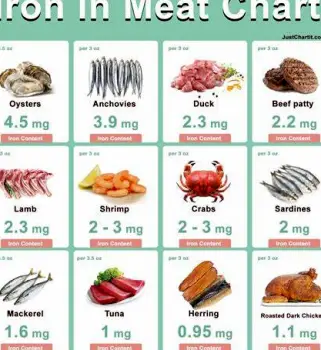
Iron in Red Meat: Amounts, Absorption, and Effects on Iron Status A practical, evidence-aware guide to how much iron red meat provides, why its iron is relatively well absorbed, and what research does—and does not—show about improving iron status.
Folic Acid With Methotrexate for Rheumatoid Arthritis: Benefits, Timing, and Safety Why folic acid is prescribed with low-dose methotrexate for rheumatoid arthritis, what evidence says about side effects, and why the dose and schedule must follow an individual prescription.
Can a Vitamin Deficiency Cause Brittle Nails? What the Evidence Shows Brittle nails can reflect repeated water or chemical exposure, aging, nail disease, systemic illness, or occasionally a nutrient deficiency. This evidence-based guide explains which deficiencies are plausible, why appearance alone cannot diagnose them, and when testing or medical care is appropriate.
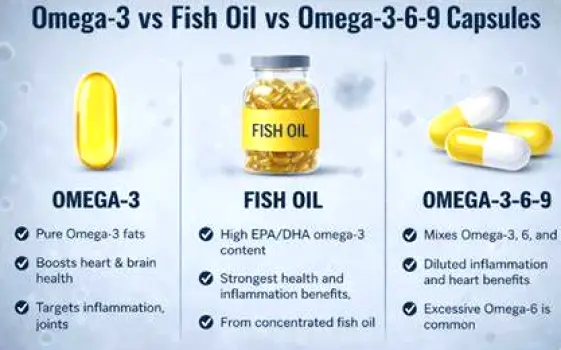
Omega-3 vs Fish Oil: The Difference and How to Choose Omega-3 and fish oil are related but not interchangeable. This evidence-conscious comparison explains what each term means, where ALA, EPA, and DHA come from, how food and supplement options differ, and what consumers should check before choosing a product.
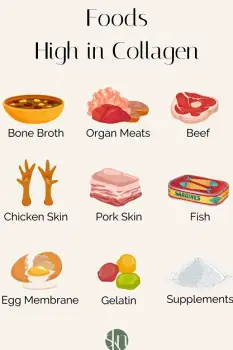
Collagen-Rich Foods and Nutrients That Support Collagen Production Which foods contain collagen, which foods support its production, and what the evidence really says about benefits for skin and joints.
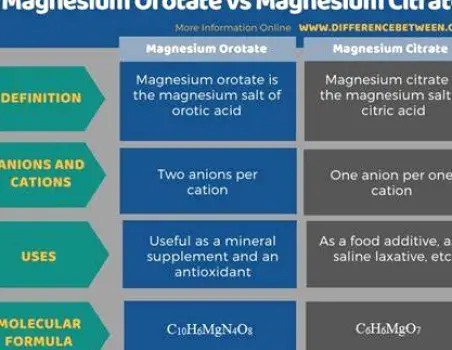
Which Magnesium Form Is Most Likely to Help With Constipation? A practical, evidence-aware guide to which magnesium forms are used for constipation, why magnesium oxide has the clearest chronic-constipation guideline support, and how citrate, hydroxide, sulfate, and glycinate differ without presenting them as interchangeable or universally appropriate.
Magnesium and Medication Interactions: Which Combinations Need Attention? A practical, evidence-based guide to the medication interactions that matter when using oral magnesium supplements, antacids, or laxatives. It should explain reduced drug absorption, medication-induced changes in magnesium levels, product-specific timing, risk factors, and when a pharmacist or clinician should review the combination.
Can Zinc Cause Constipation? What the Evidence Actually Shows Can zinc supplements cause constipation? Examine the limited evidence, more typical digestive effects, dose-related risks, other likely causes, and safe next steps when bowel habits change.
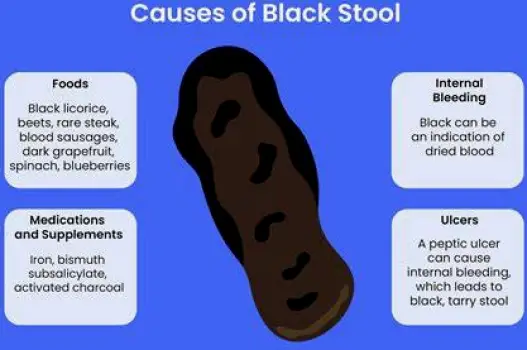
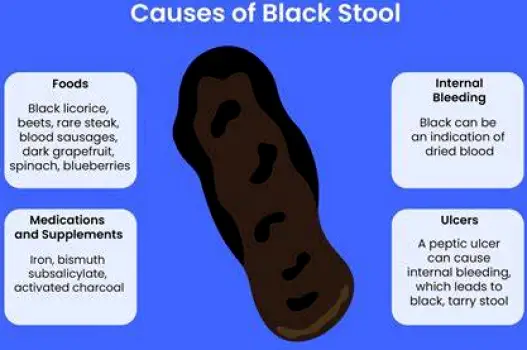
When Should Black Stool Clear After Taking Iron Tablets? A practical, safety-focused explanation of how long iron-related dark stool may continue, why there is no exact universal timeline, and how to distinguish an expected color change from possible gastrointestinal bleeding.
Can You Use Vitamin C and Retinol Together? A Practical Skincare Guide Can retinol and vitamin C be used together? This practical skincare guide explains their complementary roles, irritation risk, routine timing, product differences, and when to seek professional advice.
Does Black Stool Show That Iron Tablets Are Working? Black stool is a common effect of oral iron, but it does not show that iron deficiency is improving. This evidence-based guide explains the difference between harmless discoloration and possible gastrointestinal bleeding, how treatment response is actually assessed, and when medical help is needed.
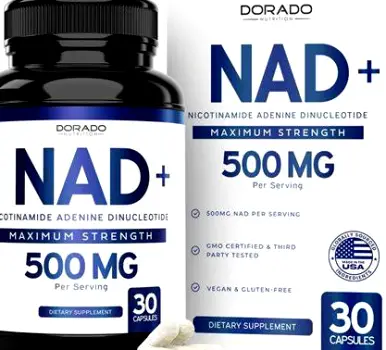
NAD+ Supplements Explained: Forms, Evidence, Benefits, and Limits What NAD+ supplements are, how NR and NMN differ from NAD itself, what human trials actually show, and why higher NAD biomarkers do not yet prove anti-aging or health benefits.
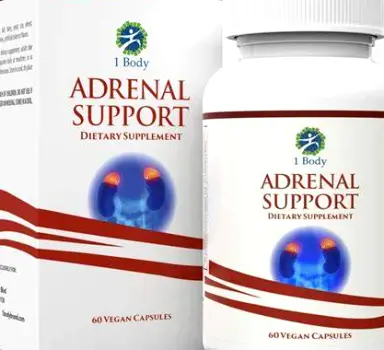
Adrenal Support Supplements: Evidence, Safety, and How to Choose A safety-first guide to adrenal support supplements that separates marketing claims from evidence, compares common ingredients, and explains when fatigue or stress symptoms need medical evaluation.
Can You Overdose on Vitamin Gummies? Risks, Symptoms, and What to Do Can vitamin gummies cause an overdose? Understand why the product and ingredients matter, which warning signs require attention, and how to respond safely after a suspected excess dose.
How Long Does Zinc Stay in the Body? Absorption, Retention, and Excretion Explained A clear, evidence-based explanation of how absorbed zinc moves through the body, why there is no single clearance time, and how ordinary intake differs from excessive exposure. It should correct the misleading idea that zinc is immediately flushed out while giving readers practical safety context.
Magnesium Citrate or Magnesium Hydroxide for Constipation: How Do They Differ? A practical, safety-focused comparison of magnesium citrate and magnesium hydroxide for occasional constipation, including how they work, expected timing, product differences, side effects, and when self-treatment is inappropriate.
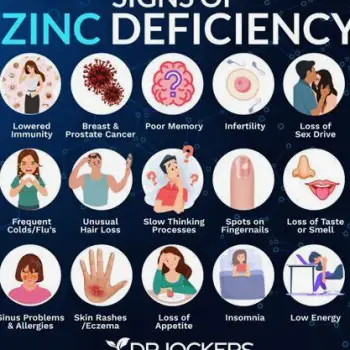
Possible Signs of Zinc Deficiency—and How to Know What They Mean A symptom-led guide to possible zinc deficiency, explaining which signs matter, who is most at risk, why symptoms alone cannot confirm low zinc, how clinicians assess it, and how to pursue food or supplement options safely.
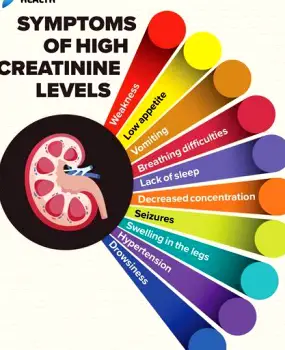
High Creatinine Levels: Causes, Interpretation, and Next Steps High creatinine is a laboratory finding, not a diagnosis. This guide explains kidney-related and temporary causes, how creatinine differs from creatine, why eGFR and other findings matter, and when an abnormal result needs prompt medical evaluation.
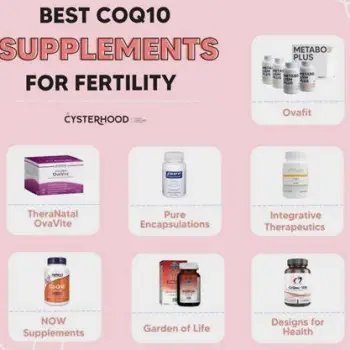
How to Choose the Best CoQ10 Supplement for Fertility An evidence-based guide to choosing a CoQ10 supplement for fertility, comparing ubiquinone and ubiquinol, product quality, research in women and men, realistic outcomes, and safety considerations.
How to Choose the Best L. reuteri Probiotic Supplement An evidence-led buyer’s guide to choosing an L. reuteri probiotic by strain, intended use, viable count, formulation, storage requirements, safety, and label transparency—without declaring an unsupported universal winner.
When Is the Best Time to Take a Turmeric Supplement? Evidence-based guide to when to take a turmeric or curcumin supplement, explaining why no morning-or-night advantage has been established, how formulation and label directions affect use, and when safety concerns warrant professional advice.