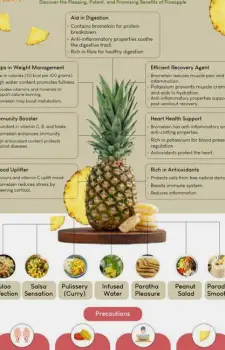
Pineapple Nutrition and Health Benefits: Is It Good for You? Find out whether pineapple is good for you, what its nutrients may offer, how juice compares with whole fruit, and what the evidence and caveats really show.
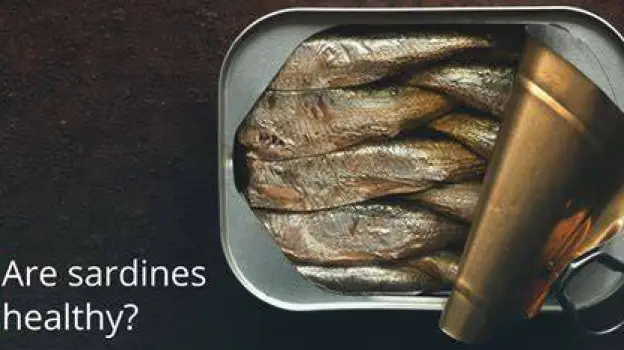
Are Sardines Good for You? Nutrition, Benefits, and Risks Sardines deliver protein, omega-3s, calcium, vitamin D, and B12 with low mercury. See their benefits, cautions, serving guidance, and easy ways to eat them.
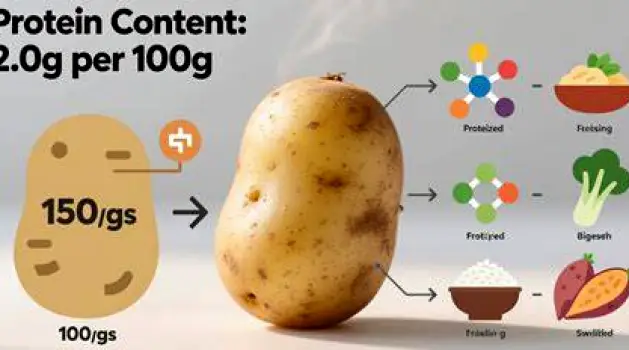
Do Potatoes Have Protein? How Much and Does It Matter? Potatoes do have protein-about 3 grams in a medium skin-on potato-but they are not a high-protein food. See how they compare and how to pair them.
Sesame Oil Benefits, Nutrition, Risks, and Best Uses Is sesame oil a healthy choice? Explore its nutrition, possible benefits, safety considerations, cooking uses, and how it compares with evidence-based dietary guidance.
Mineral Water: Potential Benefits, Drawbacks, and How to Choose It Find out whether mineral water is good for you, what its minerals can contribute, how benefits vary by brand, and what to consider when choosing still or sparkling water.
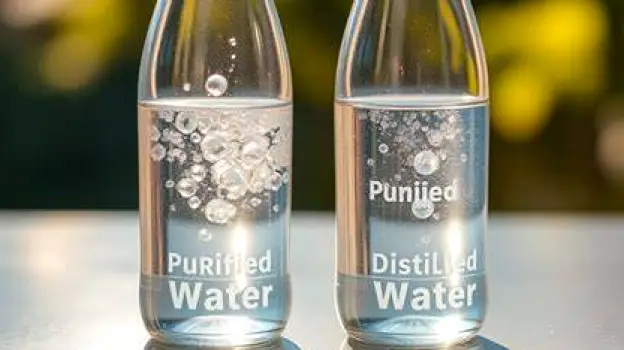
Purified vs. Distilled Water: What's the Difference and Which Should You Choose? Purified and distilled water are both treated to remove contaminants, but they are not identical: purified water is a broad category defined by the treatment and quality achieved, while distilled water is specifically made by boiling and condensing steam. Find out how the methods, mineral content, safety, taste, cost, and household uses differ.
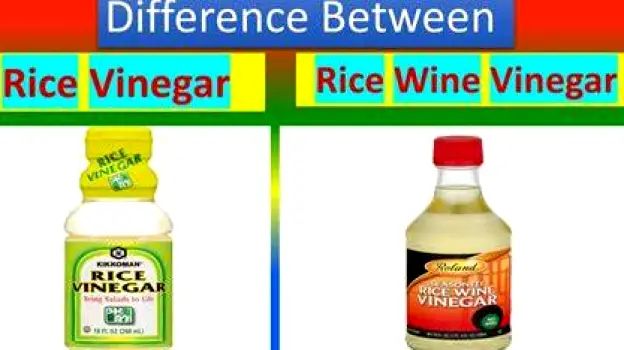
Rice Wine vs. Rice Vinegar: Differences, Uses, and Substitutions Rice vinegar and rice wine are both rice-fermented ingredients, but they differ in fermentation endpoint, acidity, alcohol, flavor, and culinary role. This guide helps readers identify each product, choose the right one, substitute safely in recipes, and avoid confusion caused by the label "rice wine vinegar."
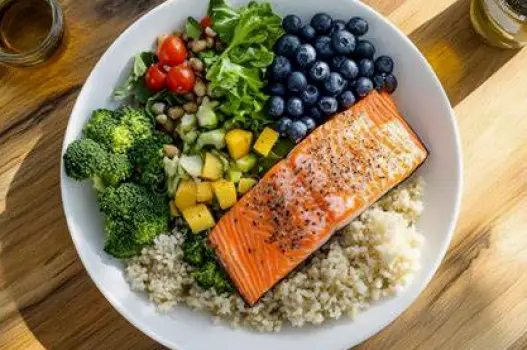
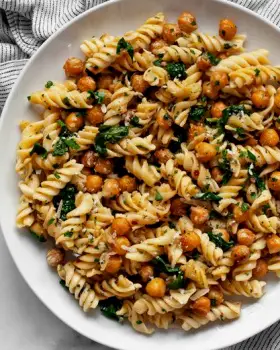
Is Chickpea Pasta Healthy? Nutrition, Benefits, and Trade-Offs Chickpea pasta offers protein and fiber, but its health value depends on the product, portion, dietary needs, and the rest of the meal.
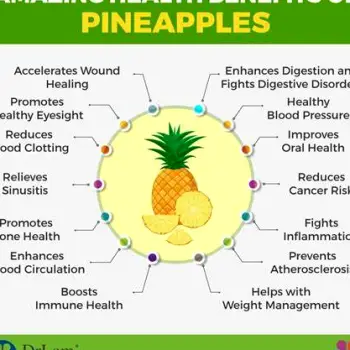
Are Pineapples Good for You? Nutrition, Benefits and Safety Are pineapples good for you? Discover what fresh and canned pineapple provide nutritionally, which potential benefits are supported by evidence, how bromelain fits in, practical serving ideas, and important limits and safety considerations.
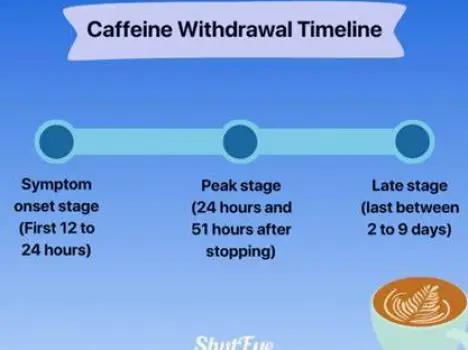
How Long Does Caffeine Withdrawal Last? Timeline, Symptoms, and Relief Find out how long caffeine withdrawal usually lasts, when symptoms peak, what affects the timeline, and practical ways to reduce headaches, fatigue, and irritability safely.
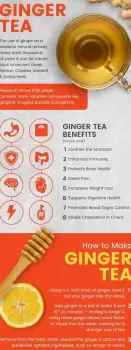
What Is Ginger Tea Good For? Benefits, Evidence, and Safe Use Evidence-aware guide to what ginger tea may help with, what research actually shows, how to prepare it, and when safety or medication considerations warrant professional advice.
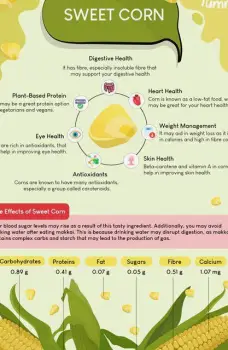
Is Sweetcorn Good for You? Nutrition, Benefits and Potential Drawbacks Is sweetcorn good for you? Find out how its fibre, vitamins, minerals and carotenoids support health, how fresh, frozen and canned forms compare, blood-sugar and allergy considerations, and practical ways to include it in a balanced diet.
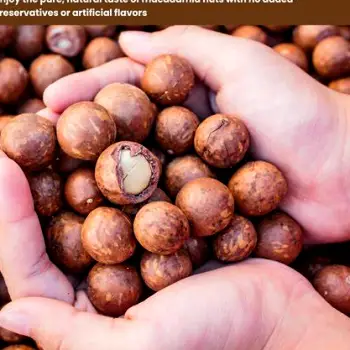
Are Macadamia Nuts Healthy? Nutrition, Benefits, Risks, and Serving Tips Are macadamia nuts healthy? This evidence-aware guide explains their nutrition, potential benefits, calorie and allergy considerations, serving guidance, and practical ways to include them in a balanced diet.
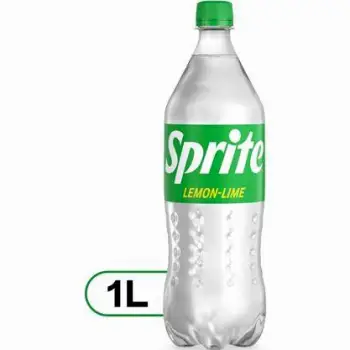
Is Sprite Caffeine-Free? Caffeine, Sugar, and Sprite Zero Explained Find out whether Sprite contains caffeine, how regular Sprite compares with Sprite Zero Sugar, and what its label means for sugar-conscious choices.
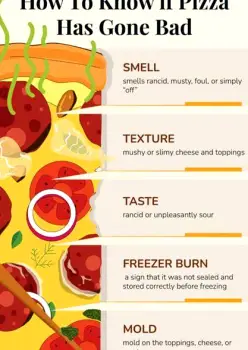
Is Pizza Bad for You? What Makes a Slice Healthy or Unhealthy Why pizza can be unhealthy depends on crust, toppings, preparation, serving size, and how often it is eaten. This guide explains the main nutritional drawbacks and practical ways to choose or prepare a more balanced slice.
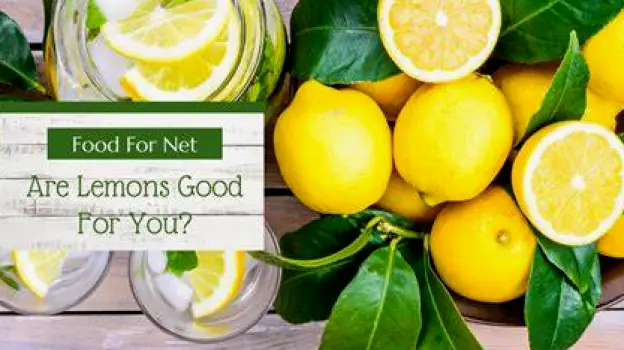
Are Lemons Good for You? Nutrition, Benefits, Risks and Lemon Water Facts Are lemons good for you? Discover what their vitamin C, fiber and citric acid may contribute to health, what lemon water can and cannot do, nutrition facts, possible risks and practical ways to enjoy lemons safely.
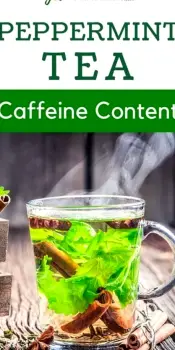
Does Peppermint Tea Have Caffeine? What to Know About Herbal Blends Does peppermint tea have caffeine? See why pure peppermint herbal tea is naturally caffeine-free, how blends can contain caffeine, and what to check on the label.
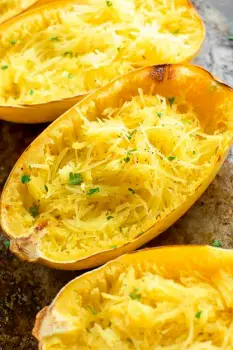
Is Spaghetti Squash Good for You? Nutrition, Benefits, and Tradeoffs Discover spaghetti squash nutrition, realistic health benefits, how it compares with pasta, and balanced ways to serve it.
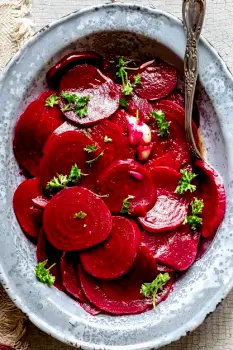
Are Pickled Beets Healthy? Benefits, Drawbacks, and What to Look For Pickled beetroot can add vegetables and flavour to meals, but its sugar, sodium, fermentation method, and health evidence vary. Discover what to check.
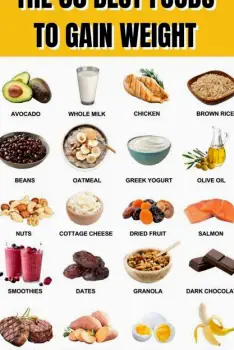
Healthy High-Calorie Foods and Meal Ideas for Weight Gain Discover nutrient-dense, high-calorie foods for healthy weight gain, plus practical meal, snack, and food-fortification ideas for different diets and appetites.
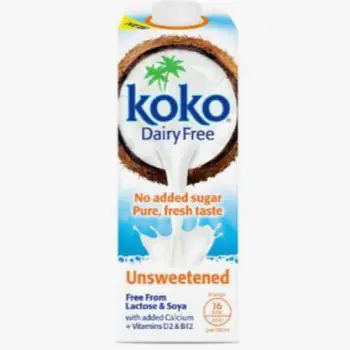
Is Coconut Milk Dairy-Free? What to Check Before Using It Coconut milk is naturally dairy-free, but product type, added ingredients, allergen labeling, and nutrition all matter when choosing a substitute.
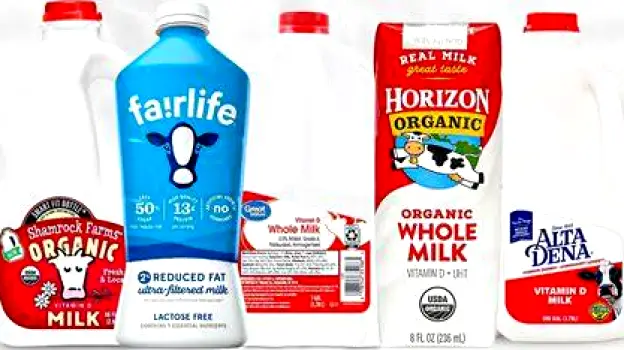
How to Choose the Best Milk for Your Nutritional Needs Compare dairy and plant-based milks by protein, fortification, sugar, fat, allergens, and everyday use to choose the option that fits your needs.
Is High-Fructose Corn Syrup Bad for You? What the Evidence Shows High-fructose corn syrup is an added sugar, but is it uniquely harmful? Examine its composition, health evidence, comparison with table sugar, and practical ways to reduce intake.
Is Brown Sugar Bad for You? Nutrition, Risks, and the White Sugar Comparison Brown sugar is not meaningfully healthier than white sugar. See how its molasses content, nutrition, health effects, and recommended limits compare.
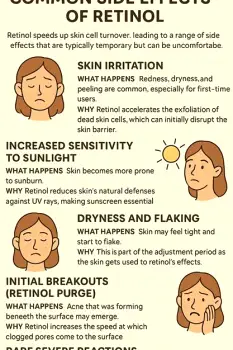
Is Retinol Bad for You? Benefits, Risks, and Safer Use A clear, evidence-conscious guide to whether topical retinol is harmful, covering its benefits, common irritation, sun-sensitivity concerns, product differences, safer use, pregnancy considerations, and when to seek professional advice.
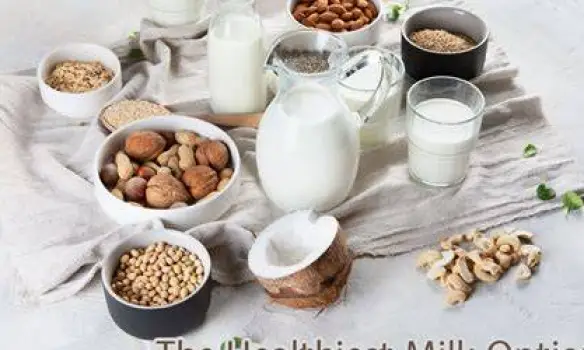
Which Milk Is Healthiest? Comparing Dairy and Plant-Based Options The healthiest milk depends on your needs. Compare dairy, soy, oat, almond, and coconut drinks, and see how protein, added sugar, fortification, and dietary restrictions affect your choice.
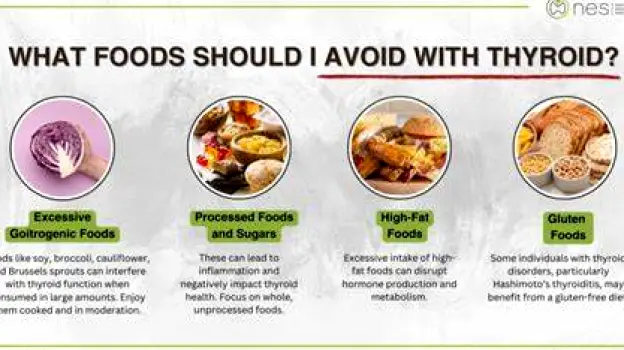
Foods to Avoid or Separate When Taking Levothyroxine A practical, evidence-based guide to food and drink timing with levothyroxine, including coffee, soy, fiber, calcium and iron, plus routines that support consistent absorption without unnecessary dietary bans.
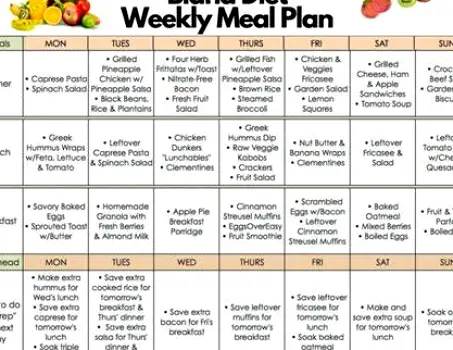
7-Day Bland Diet Menu for Gastritis and Symptom Flares A practical 7-day bland diet menu for gastritis, with gentle meal and snack ideas, foods to limit, preparation tips, substitutions, and guidance for returning to a varied diet as symptoms improve.
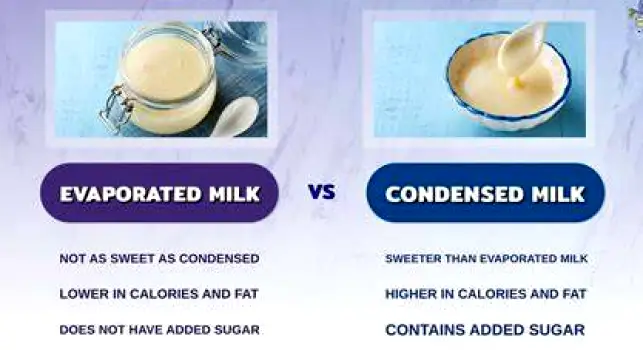
Is Evaporated Milk Healthy? Nutrition, Benefits, and Drawbacks A clear guide to evaporated milk's nutrition, calories, minerals, benefits, drawbacks, and culinary uses. Compare it with regular and sweetened condensed milk to decide whether it fits your diet.
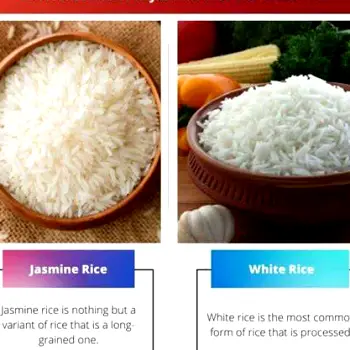
Jasmine Rice vs. White Rice: What Actually Sets Them Apart? Jasmine rice is often white rice, but the terms describe different things. Compare processing, grain shape, aroma, cooked texture, nutrition, whole-grain options, and the best uses for each.
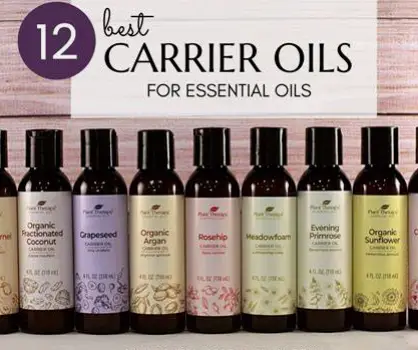
Best Carrier Oil for Essential Oils: How to Choose Compare the best carrier oils for essential oils by skin type, absorption, scent, and intended use. Get practical dilution and safety guidance without confusing aromatherapy claims with proven medical benefits.
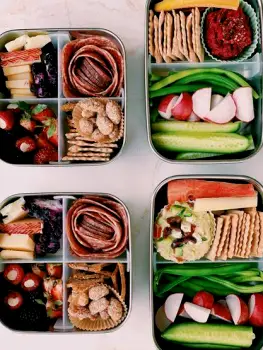
Healthy Grab-and-Go Snacks for Busy Days and Travel A practical guide to healthy grab-and-go snacks, with portable ideas for different tastes and storage needs, simple pairing formulas, label-reading tips, and realistic ways to prepare snacks for busy days.
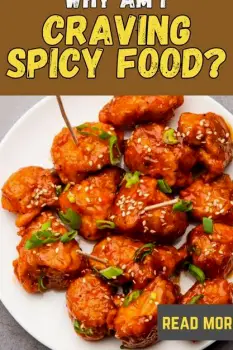
Why You May Crave Spicy Food—and What the Craving Means Spicy-food cravings usually reflect taste, habit, context, or the appeal of capsaicin’s burn—not a diagnosis. Explore plausible explanations, evidence limits, practical tracking, digestive triggers, and reasons to seek medical advice.
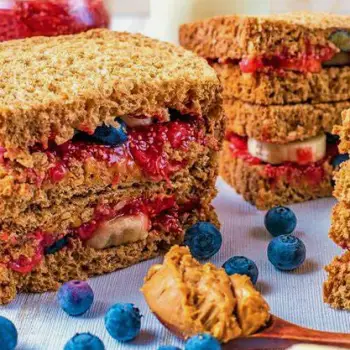
Is a Peanut Butter and Jelly Sandwich Healthy? A practical, evidence-aware guide to whether peanut butter and jelly sandwiches are healthy. Compare the nutrition of each ingredient, weigh benefits and drawbacks, and learn how bread, spreads, portions, and toppings change the overall meal.
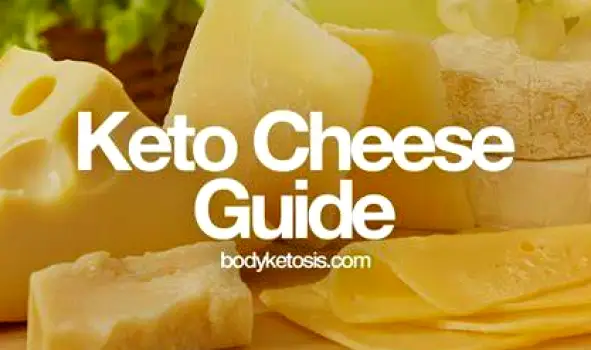
Can You Eat Cheese on Keto? Types, Carbs, and Portions Cheese can fit a ketogenic diet, but carb content, serving size, ingredients, and overall diet quality matter. Compare cheese types, read labels accurately, and avoid common keto misconceptions.
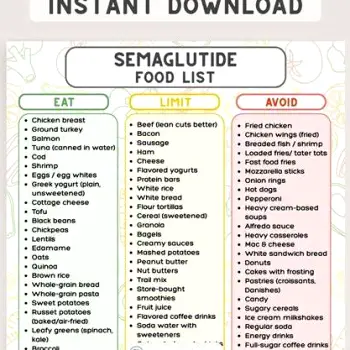
Semaglutide Foods to Avoid: What to Limit and Why A practical, evidence-conscious guide to foods commonly limited with semaglutide. Explain which choices may worsen nausea, reflux, bloating, constipation, or blood-sugar control, while distinguishing personal tolerances from official dietary restrictions.
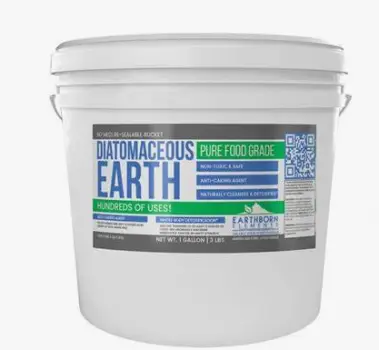
Food-Grade Diatomaceous Earth: Uses, Evidence, and Safety Food-grade diatomaceous earth is sold for food-related uses, pest control, and supplements. Understand what the label means, how it differs from filter-grade products, what health research shows, and why dust exposure matters.