

 h2>Is it okay to take vitamins at night?
Taking vitamins or a multivitamin at night is not a simple yes-or-no question, because the answer depends on the specific product you are using rather than a universal rule about the time of day. Nighttime use is acceptable for many supplements, but it can be problematic for others depending on their formulation, whether they require food for absorption, and how they interact with medications or cause physical discomfort.
Digestion does not stop when you sleep, so the body can still absorb nutrients at night. The practical suitability of an evening dose depends on several factors. For some individuals, taking a complex multivitamin with dinner fits well into their routine and meets the product's directions. For others, swallowing pills right before lying down on an empty stomach may cause gastrointestinal irritation or interfere with the absorption of specific ingredients.
Rather than focusing strictly on whether it is morning or night, it is more useful to look at the individual product label and your personal tolerance. Some vitamins and minerals function better with food, while others may cause side effects if taken too close to bedtime. Certain supplements can interact with prescription medications or other supplements, making timing a matter of safety rather than just convenience. The key is to align your supplement schedule with the specific requirements of the products you are taking and your body's response to them.
What matters more than morning versus night
When deciding when to take a supplement, the exact product formulation and your current medication regimen matter far more than an arbitrary preference for morning or evening use. Many people treat all supplements called “vitamins” as interchangeable regarding timing, but this approach can overlook critical formulation-specific requirements. The clock time is secondary to whether the product needs food, whether it conflicts with other substances in your system, and whether it causes you physical discomfort.
The most reliable guide for timing is the Supplement Facts panel and the product directions provided by the manufacturer. These labels often specify whether a supplement should be taken with food or on an empty stomach to ensure proper absorption or minimize stomach upset. For example, fat-soluble nutrients require dietary fat to be absorbed efficiently, while specific mineral forms may depend on stomach acid levels that change with food intake. Ignoring these label instructions in favor of a generalized morning-or-night routine can reduce the effectiveness of the supplement or increase the risk of side effects.
Personal tolerability plays a significant role. A supplement that works well for one person at night might cause indigestion or disrupt sleep for another. The decision should be based on a combination of scientific formulation data from the label and individual experience. By focusing on these practical elements-product specifics, food requirements, and bodily response-you can determine the most appropriate time for your supplements without relying on rigid, one-size-fits-all timing rules.
Supplement timing and absorption basics
Taking a multivitamin with dinner or before bed
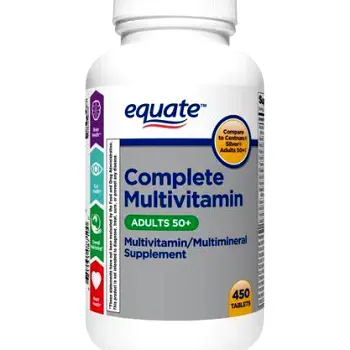
There is a meaningful difference between taking a multivitamin with dinner and swallowing it immediately before bed on an empty stomach. A typical multivitamin is a complex blend of ingredients, including fat-soluble vitamins, water-soluble vitamins, and various minerals like iron. Because of this complexity, its label and ingredient list ultimately determine the practical choice for timing.
Taking a multivitamin with dinner can be a workable routine for many people, provided it satisfies the product's directions and does not conflict with any prescribed medications or cause personal symptoms. Food, particularly some dietary fat, can aid in the absorption of certain components within the multivitamin, and having food in the stomach may reduce the risk of gastrointestinal irritation that some people experience with mineral-heavy supplements.

Taking the same supplement immediately before lying down on an empty stomach may not be ideal. Without food, certain nutrients may not absorb as efficiently, and the lack of buffering in the stomach can increase the likelihood of nausea or acid reflux, especially if the multivitamin contains iron or other minerals known to irritate the digestive tract. It is important not to assume that taking a multivitamin at night will inherently provide better absorption, more energy, or improved sleep. The effectiveness depends entirely on how the specific blend of ingredients in your product interacts with your digestive system at that time.
Which vitamins should be paired with food?
Some vitamins and minerals perform better when taken with food, and this requirement is often tied to their chemical structure and how the body processes them. A clear example is vitamin D, which is fat-soluble. The presence of fat in the gut significantly enhances its absorption. While some vitamin D is absorbed even without dietary fat, taking it with a meal that contains fat ensures more consistent and efficient uptake. This makes pairing vitamin D with a meal, such as dinner, a practical strategy for maximizing its benefit.
Formulation also dictates food requirements, particularly for minerals like calcium. Calcium is a mineral, not a vitamin, yet it is often found in vitamin supplements. Calcium carbonate is absorbed better when taken with food because it relies on stomach acid for breakdown. Calcium citrate is less dependent on stomach acid and can be taken without food. Generalizing the instruction for calcium carbonate to all calcium supplements is incorrect; the specific formulation on your label determines whether food is necessary.
These distinctions show why “with food” is not a universal rule for every supplement. Some water-soluble vitamins may be fine to take on an empty stomach, while others require specific dietary components. Reading the product label and understanding whether a nutrient is fat-soluble or if a mineral has a specific formulation requirement provides a much clearer guide for timing than a simple morning-or-night preference.
When supplements need to be separated
Supplement timing can matter because certain supplements may interfere with the absorption of others or with prescription medications, rather than simply because it is nighttime. One common interaction occurs between calcium and iron. Individual calcium and iron supplements should ideally be taken at different times of day, as calcium can interfere with iron absorption. While the effect is not definitively established in all contexts, experts suggest spacing them out to ensure you get the full benefit of both minerals.

Medication interactions are another critical factor. For patients taking levothyroxine, a medication for thyroid function, taking iron at the same time can reduce the drug's effectiveness. Labels for some US levothyroxine products specifically advise not administering the medication within four hours of iron supplements. This specific interval is crucial for maintaining stable thyroid hormone levels.
For individuals using warfarin or other vitamin K antagonist anticoagulants, the approach to timing is different. These medications oppose vitamin K activity, so patients need to maintain a consistent level of vitamin K intake rather than varying it day to day. This means taking vitamin K-containing supplements or eating vitamin K-rich foods at consistent times, rather than trying to avoid them or timing them to counteract the drug. Dietary supplements can also alter a medicine's absorption, metabolism, or excretion, changing the amount or effect of the medicine. Any combination of supplements and medications should be reviewed with a healthcare professional to ensure safety and efficacy.
What to do if nighttime vitamins cause discomfort or sleep concerns
If taking vitamins at night causes discomfort or seems to affect your sleep, it is important to separate your personal experience from unsupported general claims. There is no evidence that all B vitamins, vitamin D, calcium, or multivitamins necessarily cause insomnia or wakefulness when taken at night. Individual reactions can vary, and gastrointestinal symptoms are a common source of nighttime disruption.
Calcium supplements, for instance, can cause gas, bloating, or constipation in some people. If you experience these symptoms after an evening dose, the issue may be the formulation, the presence or absence of food, or the timing relative to lying down. Checking the label for the specific type of calcium or other minerals, ensuring you are taking it as directed (such as with food for calcium carbonate), and considering whether a different time of day or a divided dose might improve tolerability are logical first steps.
If discomfort persists, it is advisable to discuss the issue with a pharmacist or clinician. They can help identify whether the symptom is linked to a specific ingredient or if there is a more suitable alternative. Reviewing whether you are duplicating nutrients by taking multiple supplements or a fortified food alongside your vitamins, as excessive intake can sometimes lead to unexpected side effects. Never assume that a vitamin or mineral is a proven sleep treatment or that stopping it is safe without professional guidance.
Safety checks and when to seek professional advice
Before continuing any nighttime supplement routine, it is wise to perform a few safety checks. Review all labels for duplicate nutrients to ensure you are not exceeding safe limits. Follow any prescribed schedules for medications strictly, and disclose all supplement use to your healthcare providers, especially if you are using medicines, are pregnant or breastfeeding, are considering supplements for a child, or are preparing for surgery. The FDA advises additional professional review for these groups due to potential adverse effects or interactions.
High intake of certain nutrients can be harmful. For example, excessive vitamin D from supplements can cause toxicity, leading to hypercalcemia, which in severe cases can involve kidney failure, soft-tissue calcification, or cardiac arrhythmias. This is a warning about excessive intake, not an expected effect of ordinary label-directed use, but it highlights the importance of adhering to recommended amounts.
For individuals with complex medication regimens or those managing chronic conditions, product-specific timing advice from a pharmacist or healthcare professional is essential. They can help navigate potential interactions between supplements and prescription drugs, ensuring that your routine supports your health without compromising the effectiveness of your medications. Avoid diagnosing deficiencies, recommending doses, or stopping prescribed medicines on your own.