

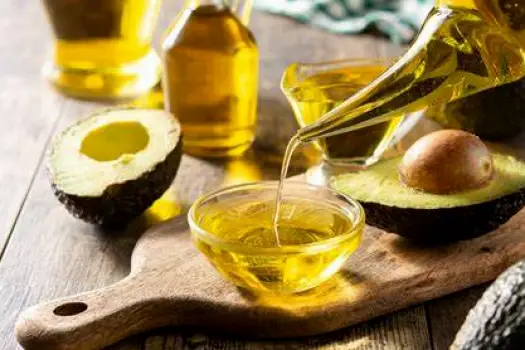
 h2>What avocado oil can and cannot do for hair
Avocado oil functions primarily as a cosmetic conditioning agent rather than a biological treatment for the scalp or hair follicle. When applied to the hair, its main role is to act as an emollient and lubricant. This means it can improve the physical sensation and appearance of the hair fiber by adding softness, increasing shine, and making strands easier to comb. These are tangible cosmetic benefits that many people find useful for managing dryness or reducing tangles.
Distinguish between these surface-level improvements and changes to how hair grows from the scalp. The visible portion of hair is made of keratinized, nonliving material. Applying oil to this fiber can condition its surface and temporarily improve its handling, but it does not biologically heal the shaft or stimulate the living follicle underneath the skin. There is no evidence that topical avocado oil alters the rate at which hair grows or reverses genetic hair loss.
Claims that avocado oil can grow hair faster, unclog follicles, or treat scalp diseases belong outside the scope of its actual cosmetic function. While the oil is derived from a nutritious fruit, eating avocados or avocado oil is a separate matter from applying it to hair. The article focuses on topical use, and any general health or dietary benefits of consuming avocado do not directly translate to hair growth when the oil is applied to the skin or hair.
Results with avocado oil are not guaranteed for everyone. Its effectiveness depends on the specific formulation of the product and the characteristics of the individual's hair. Some people may find it provides excellent slip and shine, while others might find it leaves a residue or feels too heavy. Understanding that its primary value lies in improving manageability and appearance helps set realistic expectations for how it can fit into a hair-care routine.
How avocado oil interacts with the hair shaft
The visible hair shaft consists of keratinized, nonliving cells that are distinct from the living tissue in the scalp. Because the hair fiber is dead tissue, it cannot repair itself or absorb nutrients in the biological sense. Topical oils interact with the hair surface, specifically the cuticle, which is the outer layer of overlapping scales that protects the inner cortex. When applied, oils can sit on or within this structure, altering how the hair feels and looks.

Avocado oil is composed primarily of monounsaturated fatty acids, including oleic acid. This chemical profile gives the oil its specific physical properties, such as its viscosity and ability to spread across the hair surface. These fatty acids act as emollients, filling in gaps between cuticle scales and smoothing the fiber. This process reduces friction between strands, which can make detangling easier and reduce the mechanical stress that leads to breakage. The oil also creates a barrier that can slow down moisture loss from the hair shaft, helping to maintain hydration levels that have been established by water or leave-in conditioners.
The interaction between avocado oil and the hair shaft is not uniform. The exact composition and behavior of the oil vary depending on the avocado cultivar, the maturity of the fruit at harvest, and how the oil was extracted and refined. These factors influence whether the oil feels lightweight or heavy, and how easily it washes out. While the presence of monounsaturated fats suggests certain physical properties, there is no evidence that these properties guarantee deep penetration into the cortex of every hair type. Some hair may accept the oil readily, while more resistant or heavily damaged hair may simply have the oil sit on the surface.
The interaction is largely cosmetic. The oil modifies the surface texture and light reflection of the hair, leading to improved softness and shine. It does not penetrate deeply enough to biologically heal internal structural damage or permanently alter the hair's protein structure. Understanding this surface-level interaction helps clarify that avocado oil is a conditioning agent that improves the hair's external environment rather than a restorative treatment that changes the hair's internal biology.
Understanding avocado oil's effects on hair
Potential benefits for dryness, frizz, shine, and breakage
The primary cosmetic benefits of avocado oil stem from its ability to modify the surface properties of the hair fiber. By acting as an emollient, it smooths the cuticle, which reduces the roughness that causes strands to catch on each other. This lubrication directly addresses frizz by allowing hairs to lie flatter and more uniformly, creating a smoother surface that reflects light more consistently. The result is often an immediate improvement in perceived shine and softness, making the hair appear healthier and feel more manageable.
Reduced friction is also a key factor in limiting mechanical breakage. When hair is dry or damaged, the raised cuticle scales create drag during combing, brushing, or styling. Avocado oil fills the gaps between these scales, allowing tools to glide through the hair with less resistance. This decrease in physical stress helps preserve the integrity of the hair shaft, particularly at the vulnerable ends where damage accumulates over time. By minimizing the force required to detangle, the oil helps prevent the snapping and splitting that contribute to thinning hair over time.
Avocado oil manages moisture rather than creating it. The oil acts as a sealant, slowing the evaporation of water that is already present in the hair. While this can help maintain hydration levels between washes, it does not replace the need for water-based hydrating products. The oil locks in existing moisture but cannot add significant hydration to completely dry, brittle hair on its own.
These benefits are conditional and depend heavily on the individual's hair type and the specific product formulation. Some users may experience significant improvements in smoothness and reduced tangles, while others may find that the oil leaves a greasy residue or weighs down fine hair. The effects are cosmetic and temporary; they improve the feel and appearance of the hair until the next wash but do not permanently alter the hair's structure or solve underlying issues like split ends or chemical damage.
Does avocado oil promote hair growth or repair damage?
Avocado oil does not stimulate hair growth, treat alopecia, or increase the rate at which hair follicles produce new strands. The visible hair shaft is composed of keratinized, nonliving material that lacks the biological machinery required for self-repair or regeneration. Topical application of any oil, including avocado oil, cannot biologically heal the hair shaft, reconnect severed proteins, or permanently mend split ends. Claims that avocado oil activates dormant follicles, unclogs hair roots, or reverses genetic hair loss are not supported by clinical evidence.
Distinguish between actual hair growth and improved length retention. While avocado oil cannot accelerate the follicular growth cycle, it can contribute to retaining length by reducing mechanical damage. By smoothing the cuticle and reducing friction, the oil makes hair easier to detangle and style. This reduction in physical stress during grooming minimizes breakage, allowing hair to maintain its existing length for a longer period. This preservation of length can create the visual impression of faster growth, but the underlying growth rate remains unchanged.
Avocado oil cannot permanently repair chemically or thermally damaged hair. While the oil may temporarily improve the feel and appearance of damaged fibers by coating the surface and filling gaps between cuticle scales, this effect is cosmetic and temporary. The oil does not penetrate deeply enough to restore internal structural integrity or bond broken disulfide links within the cortex. Once the oil is washed out, the underlying structural damage remains.
Avocado oil should be viewed as a conditioning agent that improves manageability and appearance rather than a therapeutic treatment for hair loss or structural repair. It supports the physical health of the hair fiber by protecting it from mechanical stress, but it does not influence the biological processes of the scalp or the living follicle. For issues related to hair loss, scalp health, or significant structural damage, medical evaluation and evidence-based treatments are necessary.
Who may benefit-and who may find it too heavy
Whether avocado oil feels useful or burdensome depends largely on the physical characteristics of the hair and the condition of the scalp. There are no rigid rules based solely on curl type, but certain hair textures and histories tend to respond more favorably to the oil's emollient properties.
Dry, coarse, curly, coily, or highly porous hair often benefits most from avocado oil. These hair types typically have raised cuticles that lose moisture easily and create significant friction during grooming. The oil's ability to smooth the surface and seal in hydration can make these textures softer, more manageable, and less prone to breakage. Hair that has been chemically treated, bleached, or frequently styled with heat tools often lacks natural lipids and requires external lubrication to maintain flexibility and reduce tangles. For these individuals, avocado oil can provide the slip and shine needed to make styling easier and improve the overall appearance of the fiber.
Fine, straight, or naturally oily hair may find avocado oil too heavy. In these cases, the oil can sit on the surface rather than being absorbed or distributed evenly, leading to a greasy appearance, limpness, or a flattened look at the roots. Because the oil is a lipid and not a hydrator, it can weigh down strands that do not need the extra conditioning, making the hair feel dirty or difficult to cleanse.
Individuals with a naturally oily scalp or conditions like seborrheic dermatitis should also exercise caution. While avocado oil conditions the hair fiber, applying it to the scalp can exacerbate oiliness or contribute to buildup if not washed out thoroughly. The goal is to find a balance where the hair feels soft and manageable without leaving a visible residue or requiring excessive washing.
Rather than relying on generalized hair-type labels, the most reliable way to determine suitability is through a small-strand test. Apply a small amount of the oil to a section of dry hair and evaluate the results. Consider whether the hair feels softer, whether it detangles more easily, and whether the shine looks natural or greasy. Wash the hair the next day to assess how easily the oil removes and whether any buildup remains. This practical approach allows you to adjust the quantity and placement of the oil to suit your specific hair density, porosity, and cleansing routine.
How to use avocado oil in a hair-care routine
Avocado oil can be incorporated into a hair-care routine in several ways, depending on individual preferences and hair needs. The simplest approach is to apply a small amount to damp or dry hair, focusing specifically on the mid-lengths and ends. This targeted application helps condition the most vulnerable parts of the fiber while minimizing the risk of weighing down the roots or irritating the scalp. For those with very dry or coarse hair, a slightly larger quantity may be beneficial, but starting with a few drops allows for adjustment based on how the hair responds.

Another effective method is using avocado oil as a pre-shampoo treatment. Applying the oil to dry hair before washing allows it to coat the strands, potentially reducing the amount of moisture lost during the cleansing process. After allowing the oil to sit for a period ranging from twenty minutes to overnight, wash the hair thoroughly with shampoo to remove excess residue. This method can be particularly useful for deep conditioning, though it requires careful cleansing to prevent buildup or a greasy feel.
Many commercial hair-care products, such as conditioners, masks, and leave-in treatments, already contain avocado oil. Using these formulated products can provide the benefits of the oil in a balanced blend with other conditioning agents, often making application easier and more consistent. These products are designed to deliver the emollient properties of avocado oil without the potential downsides of using pure oil, such as heaviness or difficult cleansing.
When using pure avocado oil, it is important to avoid common mistakes. Do not apply hot oil directly to the scalp or hair without first testing the temperature, as burns can occur. Pure avocado oil is not a substitute for tested heat-protection products before using styling tools, nor is it a treatment for scalp diseases. If persistent itching, scaling, or hair loss occurs, discontinue self-care and seek professional medical advice.
Experimentation is key to finding the right routine. Begin with minimal quantities and adjust based on how the hair feels and looks. If the hair feels limp, greasy, or difficult to wash out, reduce the amount or frequency of use. The goal is to achieve improved manageability and shine without compromising the hair's natural volume or requiring excessive cleansing.
Side effects, allergy concerns, and common mistakes
Cosmetic ingredients, including plant-derived oils, can cause adverse skin reactions. Allergic contact dermatitis and local irritation are documented possibilities when applying new substances to the scalp or hair. Individuals with a known allergy to avocados or related plants should not assume that topical application is safe. Cross-reactivity or independent sensitization to components in the oil can trigger immune responses. If any redness, itching, swelling, or rash develops after use, the product should be discontinued immediately. Severe symptoms, such as difficulty breathing or widespread hives, require immediate medical attention.
Beyond allergic reactions, practical application errors often lead to unsatisfactory results. The most common mistake is using too much oil, which causes buildup, a greasy appearance, and limp hair. Excess oil can also be difficult to remove with standard shampoos, leading to a cycle of repeated washing that may further dry out the hair. To avoid this, start with a very small quantity and apply it only to the mid-lengths and ends of the hair, avoiding the scalp unless specifically directed by a professional for a particular condition.
Another frequent error involves heat and temperature. Applying hot oil without testing the temperature first can cause thermal burns to the sensitive scalp skin. Always allow heated oils to cool to a comfortable, lukewarm temperature before application. Pure avocado oil should not be used as a substitute for verified heat-protection products before styling with irons or blow dryers, nor should it be relied upon as a treatment for scalp diseases such as psoriasis, seborrheic dermatitis, or fungal infections.
Persistent scalp symptoms, including chronic itching, flaking, inflammation, or unexplained hair loss, should not be treated solely with cosmetic oils. These issues often indicate underlying medical conditions that require professional diagnosis and evidence-based treatment. Relying on avocado oil for these problems may delay appropriate care and allow symptoms to worsen. When in doubt about scalp health or adverse reactions, consult a dermatologist or healthcare provider for guidance rather than adjusting over-the-counter cosmetic routines.
How avocado oil compares with coconut and olive oils
Coconut oil, avocado oil, and olive oil are all plant-based lipids used in hair care, but they differ in chemical structure, penetration behavior, and specific cosmetic effects. Understanding these differences helps readers choose the right oil for their hair type rather than assuming all natural oils function identically.
Coconut oil is unique among common hair oils due to its high lauric acid content, a medium-chain fatty acid with a linear structure. This composition allows it to penetrate the hair shaft deeply, binding to hair proteins and significantly reducing protein loss during washing and swelling. Experimental studies have demonstrated that coconut oil prevents protein loss more effectively than mineral oil or sunflower oil. This specific benefit applies only to coconut oil. The findings regarding coconut oil's penetration and protein-binding capabilities cannot be transferred to avocado oil. Avocado oil contains a different fatty acid profile and does not share this specific structural advantage.
Avocado oil and olive oil are both rich in oleic acid, a long-chain monounsaturated fatty acid. While they share this common component, their performance on hair can vary based on the specific source, refining process, and accompanying minor compounds. Both oils function primarily as surface emollients and sealants. They smooth the cuticle, reduce friction, and add shine by coating the hair fiber. Unlike coconut oil, there is no strong evidence that oleic acid alone guarantees deep cortical penetration for these oils. Their benefits are largely cosmetic, improving softness and manageability without altering the internal protein structure of the hair.
Olive oil is often cited for its conditioning properties, but its high oleic acid content can sometimes make it feel heavy or greasy on fine hair if not washed out thoroughly. Avocado oil shares similar emollient properties but may feel slightly different in texture depending on the extract. Neither oil is universally superior; the best choice depends on individual hair density, porosity, and how the hair responds to heavy lipids.
Because direct comparative trials between avocado oil and other specific oils are limited, personal testing is the most reliable method for determination. A small-strand test can reveal whether coconut oil's protein-preserving benefits are needed or if the surface smoothing of avocado or olive oil provides sufficient manageability. Consider factors such as residue left after washing, ease of detangling, and whether the hair feels weighed down. Avoid making claims about one oil being 'better' than another based solely on general knowledge; focus on the specific evidence available for each and how it aligns with your hair's needs.